Bare Copper vs Tin-Plated Copper: Key Differences

If you have ever shopped for an internet cable or ethernet cable, you may have noticed terms like bare copper and tin-plated copper on the product label. Most people skip past these words without a second thought. But here is the truth: the type of copper conductor inside your cable has a direct impact on signal quality, durability, and how long your cable lasts — especially in industrial or outdoor environments.
This guide explains the real difference between bare copper and tin-plated copper, and helps you choose the right cable — whether you are buying Cat5e, Cat6, Cat6A, or Cat7 for your home, office, or factory.
What Is Bare Copper?
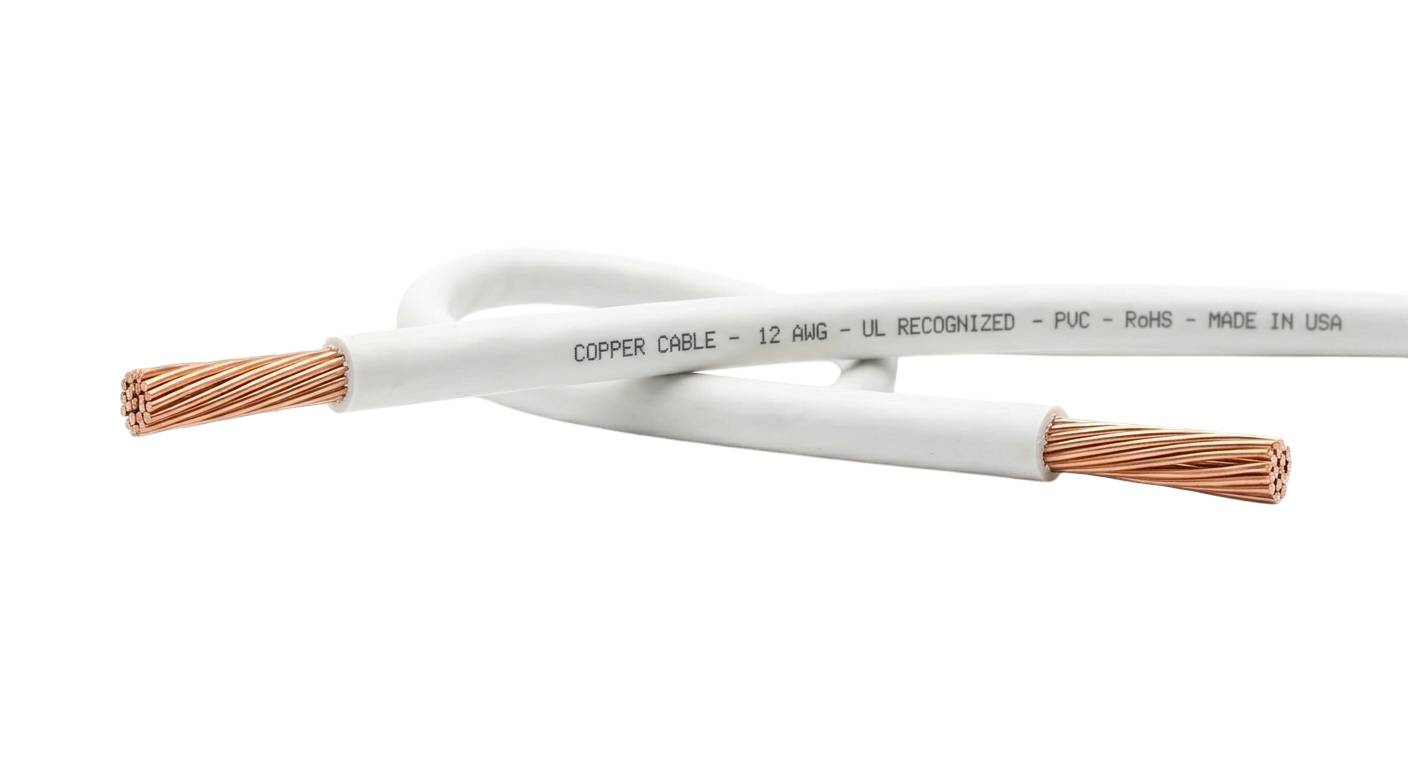
Bare copper wire is exactly what it sounds like — pure copper with no coating. It is made from 99.99% pure copper and has a recognisable reddish-orange colour. Copper is one of the best natural conductors of electricity, second only to silver, which is why it has been used in electrical cables for over a century.
Bare copper delivers excellent electrical conductivity with very low resistance. This means your signal travels through the cable quickly and efficiently, with minimal power loss. For most indoor, dry environments — homes, offices, and standard commercial spaces — bare copper is the ideal choice.
Where Is Bare Copper Used?
Home and office ethernet cables (Cat5e, Cat6)
Indoor structured cabling in dry environments
Grounding systems and power distribution
Standard data networks and telecommunications
Cost-sensitive installations where moisture is not a concern
What Is Tin-Plated Copper?
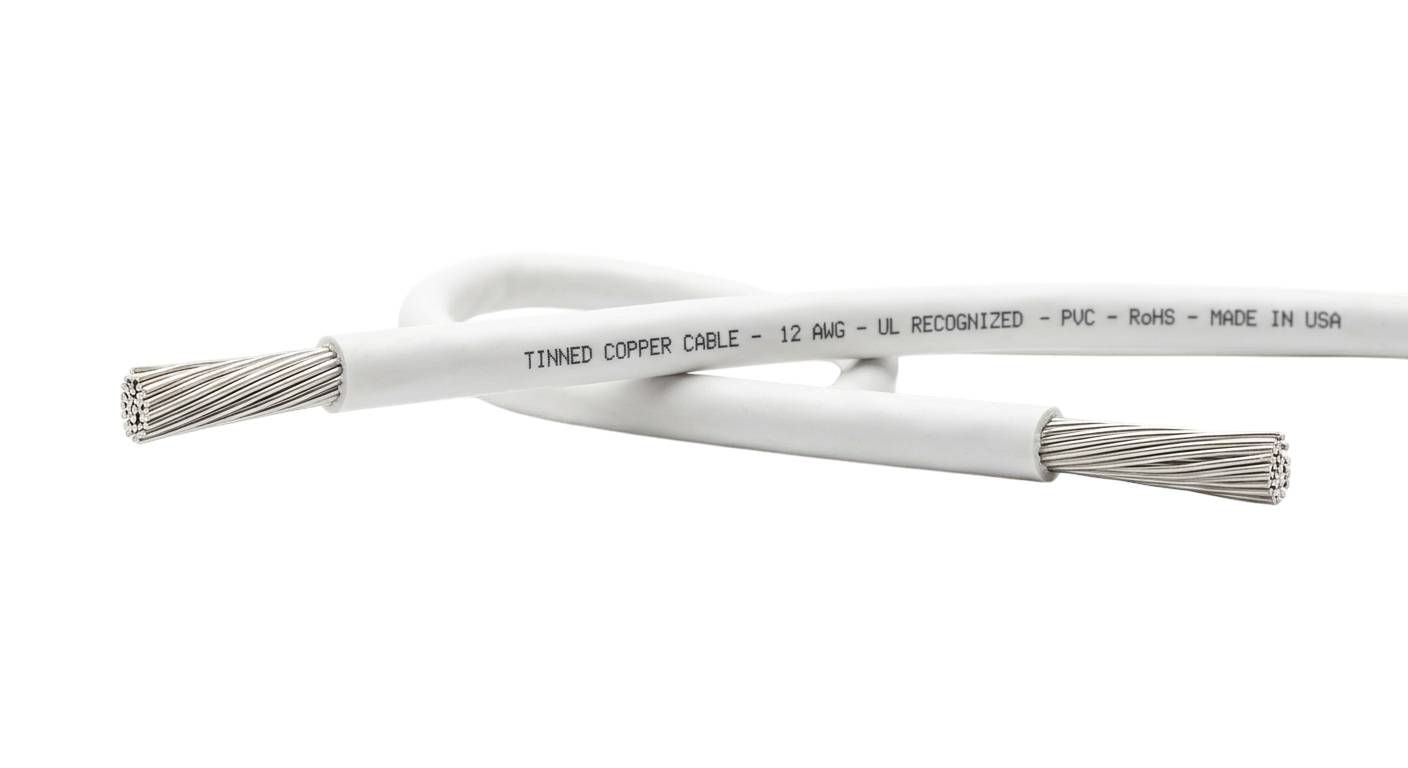
Tin-plated copper (also called tinned copper) is bare copper wire coated with a thin layer of tin. This tin coating acts as a protective shield against oxidation, moisture, and corrosion. From the outside, tinned copper looks silver-grey instead of reddish-orange, which makes it easy to identify.
The tin layer does not significantly reduce the copper's conductivity. What it does is protect the copper underneath from reacting with oxygen and moisture in the air — a process called oxidation. When copper oxidises, it forms copper oxide, which reduces the cable's electrical performance over time. Tin prevents this from happening.
Key Fact: Oxidation on a copper conductor's surface forces electrical signals deeper into the wire, increasing resistance and generating heat. Tin-plating prevents this, keeping signal performance stable for years. |
Where Is Tin-Plated Copper Used?
Industrial environments with heat, humidity, and chemicals
Outdoor and underground cable runs
Marine and coastal installations
Factories, warehouses, and server rooms in harsh conditions
Cat7 S/FTP cables with individual pair shielding
Bare Copper vs Tin-Plated Copper: Side-by-Side Comparison
Here is a clear comparison to help you understand which conductor type suits your needs:
Feature | Bare Copper | Tin-Plated Copper |
|---|---|---|
Conductivity | Highest (pure copper) | Slightly lower (~2–3%) |
Corrosion Resistance | Moderate (indoor use) | Excellent (harsh/humid/industrial) |
Oxidation Risk | Higher over time | Protected by tin coating |
Signal Performance | Best for dry environments | Stable long-term in any environment |
Solderability | Good | Excellent |
Cost | Lower | Slightly higher |
Ideal For | Indoor, dry, cost-conscious | Industrial, outdoor, marine, humid |
Lifespan | Shorter in harsh conditions | Longer in harsh conditions |
Corrosion Resistance: The Biggest Difference
This is where the two conductors are most different. Bare copper is vulnerable to oxidation over time, especially when exposed to humidity, salt air, chemicals, or high temperatures. Once oxidation begins, it is very hard to stop. The copper surface gradually turns to copper oxide dust — and while this is a microscopic process, it reduces conductivity and can cause signal loss and connection failures.
Tin-plated copper solves this problem. Tin is a stable metal that forms its own thin oxide film, which stops further oxidation from occurring. This means the copper underneath stays protected and performs at a high level even in tough environments. In industrial settings — factories, production floors, outdoor enclosures — tin-plated copper cables are the safer, smarter choice.
Think of it this way: bare copper is like leaving a piece of iron outside in the rain. Over time, it will rust. Tin-plating is like applying a weather-resistant coating — the metal beneath stays intact and functional much longer.
Signal Performance: Which Conducts Better?
This is a common misconception. Many people assume tin-plated copper is inferior in terms of signal quality. The truth is more nuanced.
Fresh bare copper has slightly better conductivity — by approximately 2 to 3 percent. However, this difference is negligible in real-world networking applications. What matters more over the long run is surface quality. High-frequency ethernet signals (like those in Cat6, Cat6A, and Cat7 cables) travel along the outer surface of the conductor — a phenomenon known as the skin effect. If that surface is oxidised or corroded, signal transmission degrades significantly.
Tin-plated copper maintains a clean, stable surface for far longer than bare copper in humid or industrial environments. This means better, more consistent signal performance over the cable's lifetime — even if the raw conductivity is fractionally lower at the start.
Quabbin Wire & Cable, a leading cable manufacturer, notes that bare copper assemblies in modular plugs are more likely to corrode and fail contact resistance tests over time — a key TIA and IEC standard that directly impacts insertion loss and signal quality. |
How This Applies to Internet Cables: Cat5e, Cat6, Cat6A, and Cat7
Now that you understand the conductor types, let us see how they apply to the most popular ethernet cable categories available on Eleczo.
Cable | Speed | Bandwidth | Max Length | Best For | Conductor Type |
|---|---|---|---|---|---|
1 Gbps | 100 MHz | 100 m | Home, small offices | Bare Copper | |
10 Gbps (55m) | 250 MHz | 100 m (1G) | Offices, SMBs | Bare Copper | |
10 Gbps | 500 MHz | 100 m | Enterprise, PoE++ | Bare Copper | |
40 Gbps (50m) | 1000 MHz | 100 m | Industrial, high EMI zones | Tin-Plated Copper (S/FTP) |
Cat5e — The Reliable Starter
Cat5e (Enhanced Category 5) is the most widely used ethernet cable for home and small office networks. It supports speeds up to 1 Gbps over 100 metres and operates at 100 MHz bandwidth. Cat5e cables typically use bare copper conductors and perform excellently in dry, indoor environments. If you are setting up a basic home network or a small business with standard internet requirements, Cat5e bare copper is a cost-effective and reliable solution.
Cat6 — The Smart Office Upgrade
Cat6 doubles the bandwidth to 250 MHz and supports 10 Gbps over shorter runs of 37 to 55 metres. With more tightly twisted conductor pairs and an internal spline separator, Cat6 delivers far better resistance to electromagnetic interference (EMI) than Cat5e. Cat6 cables use bare copper conductors and are ideal for offices, small businesses, and future-proofing a home network. Avoid CCA (Copper-Clad Aluminium) versions — always choose bare copper Cat6 for reliable performance and PoE compatibility.
Cat6A — The Enterprise Standard
Cat6A (Augmented Category 6) is the top choice for enterprise and commercial deployments. It delivers 10 Gbps consistently over the full 100-metre channel with 500 MHz bandwidth. Cat6A cables are produced exclusively with bare copper conductors — there is no compromise on quality here. They also support PoE++ (up to 90W), making them ideal for powering IP cameras, Wi-Fi 6/7 access points, and VoIP phones through the cable itself. If you are building or upgrading a commercial network today, Cat6A is the gold standard.
Cat7 — The Industrial Powerhouse
Cat7 is where tin-plated copper becomes particularly relevant. Cat7 cables feature individually shielded twisted pairs (S/FTP configuration) and operate at up to 1000 MHz bandwidth. They support 40 Gbps over 50 metres and 100 Gbps over 15 metres. Designed for electrically noisy industrial environments — factories, data centres, and areas near heavy machinery — Cat7 cables with tin-plated copper conductors resist both corrosion and interference. The tin coating keeps the conductors stable in high-humidity and chemically aggressive conditions, ensuring signal integrity over years of demanding use.
Why Industrial Environments Need Tin-Plated Copper
Industrial environments are the primary use case where the choice between bare and tin-plated copper truly matters. Here is why:
High humidity and condensation on factory floors can cause bare copper to oxidise rapidly
Exposure to chemicals, cleaning agents, and solvents accelerates corrosion
High temperatures near machinery increase oxidation rates significantly
Long cable runs in industrial buildings are expensive to replace — you want cables that last
PoE-powered devices in industrial IoT applications demand reliable conductors that do not degrade under sustained power loads
Tin-plated copper cables in industrial settings reduce maintenance costs and downtime. The higher upfront cost is offset by significantly longer cable life and fewer connection failures — which, in a production environment, translates directly into money saved.
Where to Buy the Right Cable: Shop at Eleczo.
At Eleczo, you will find a trusted range of internet cables with verified conductor specifications — so you always know exactly what you are buying.
Here are the cables to look for based on your needs:
Cat5e Bare Copper Cable — Best for home networks and cost-effective gigabit connections in dry indoor environments.
Cat6 Bare Copper Cable — Ideal for offices and businesses that want reliable 1 Gbps performance with 10 Gbps capability over shorter runs.
Cat6A Bare Copper Cable — The enterprise standard for full 10 Gbps at 100 metres. Perfect for Wi-Fi 6/7 deployments and PoE++ powered devices.
Cat7 Cable (S/FTP with Tin-Plated Copper) — Designed for industrial and high-EMI environments where signal integrity and corrosion resistance are non-negotiable.
Pro Tip: When shopping on Eleczo, always check the product specification for '100% Bare Copper' or 'Tinned Copper Conductor' in the product details. This ensures you are getting a cable that meets TIA/EIA performance standards — not a cheaper CCA alternative. |
Final Verdict: Which Should You Choose?
The answer depends on where and how your cable will be used:
Choose Bare Copper if your cable runs are indoor, dry, and cost-sensitive. Cat5e, Cat6, and Cat6A bare copper cables are the best choice for homes, offices, and standard commercial installations.
Choose Tin-Plated Copper if your environment is industrial, humid, outdoor, or exposed to chemicals. Cat7 cables with tin-plated copper conductors are built to handle these conditions and deliver reliable performance for years.
Both conductor types have a valid role in modern networking. The key is matching the right cable to the right environment. When you shop at Eleczo, you can trust that the cables are clearly specified and built to genuine standards — giving you the performance and reliability your network deserves.
Common Questions Answered
Is tin-plated copper less conductive than bare copper?
Marginally, yes — by about 2 to 3 percent. But in practical network applications, this difference is undetectable. Long-term signal stability matters far more than fractional conductivity differences.
Can I use bare copper cables outdoors?
Bare copper cables can be used outdoors if they are properly jacketed (e.g., with UV-resistant or direct-burial rated jackets). However, in consistently humid or wet conditions, tin-plated copper conductors offer much better long-term protection.
What is CCA and why should I avoid it?
CCA stands for Copper-Clad Aluminium. It is a much cheaper alternative where an aluminium core is thinly coated with copper. CCA cables are not compliant with TIA/EIA standards, fail to meet PoE requirements safely, and can overheat and damage equipment. Always verify you are buying genuine bare copper or tin-plated copper cables — not CCA.
Does conductor type affect PoE (Power over Ethernet)?
Yes, significantly. Pure bare copper and tin-plated copper cables handle PoE loads safely due to their low resistance. CCA cables generate dangerous levels of heat under PoE+ and PoE++ loads and should never be used for powering devices.