Cat5e vs Cat6 vs Cat6A vs Cat7: Best Cable in 2026

Imagine spending thousands on a network upgrade—new switches, faster internet, Wi-Fi 7 access points, and advanced IP cameras—only to discover the cable hidden inside your walls is the reason everything slows down.
That situation is becoming increasingly common as businesses move toward 10 Gigabit networking, high-power PoE devices, and bandwidth-intensive applications. Modern access points, IP surveillance systems, cloud workloads, and multi-gigabit internet connections can quickly expose the limitations of outdated network infrastructure.
The reality is simple: the performance of your network is only as strong as the cable infrastructure behind it.
That's why understanding the differences between Cat5e, Cat6, Cat6A, and Cat7 is critical before starting any new installation or upgrade project. While these Ethernet cable categories may appear similar from the outside, they differ significantly in bandwidth, supported speeds, shielding, transmission distance, PoE capability, and long-term upgrade potential.
The wrong choice can leave you dealing with network bottlenecks, limited support for future technologies, and expensive re-cabling projects just a few years later. The right choice can deliver reliable performance for more than a decade while supporting faster switching, high-power PoE devices, Wi-Fi 7 access points, and future network expansion.
In this guide, we'll compare Cat5e vs Cat6 vs Cat6A vs Cat7 in detail, including their real-world speeds, bandwidth ratings, shielding options, maximum transmission distances, PoE capabilities, and ideal applications. Whether you're wiring a home network, upgrading an office, deploying IP surveillance, or planning a large commercial installation, this guide will help you choose the Ethernet or Network Cable that best fits your requirements.
Quick Recommendation: Which Ethernet Cable Should You Choose?
If you want the short answer:
Existing Cat5e network replacement on a tight budget → Cat5e
Home networks and short-run 10 Gigabit connections → Cat6
New homes, offices, commercial buildings, CCTV systems, and Wi-Fi 7 deployments → Cat6A
Industrial environments with documented high electromagnetic interference (EMI) → Cat7
Most new installations in 2026 → Cat6A
For most businesses and professional network installations, Cat6A offers the best balance of performance, future-proofing, standards compliance, and long-term value. It supports full 10 Gigabit Ethernet over the standard 100-metre channel length while handling modern PoE++ applications more effectively than Cat5e or Cat6.
Quick Comparison: Cat5e vs Cat6 vs Cat6A vs Cat7 at a Glance
Specification | Cat5e | Cat6 | Cat6A | Cat7 |
|---|---|---|---|---|
Maximum Speed | 1 Gbps | 10 Gbps | 10 Gbps | 10 Gbps |
Bandwidth | 100 MHz | 250 MHz | 500 MHz | 600 MHz |
Maximum Distance at 1 Gbps | 100 m | 100 m | 100 m | 100 m |
Maximum Distance at 10 Gbps | Not Supported | Up to 55 m | 100 m | 100 m |
Typical Shielding | UTP | UTP or STP | F/UTP or U/FTP | S/FTP |
Connector Type | RJ45 | RJ45 | RJ45 | GG45 / TERA |
PoE Capability | Good | Better | Excellent | Excellent |
Best Use Case | Legacy Networks | Homes & SMBs | Commercial & Enterprise | High-EMI Industrial Environments |
Cat6 supports 10 Gbps only up to approximately 55 metres under standard conditions.
Many products marketed as Cat7 use RJ45 connectors, but genuine Cat7 standards were designed around GG45 or TERA connectors.
What Is Cat5e Ethernet Cable?
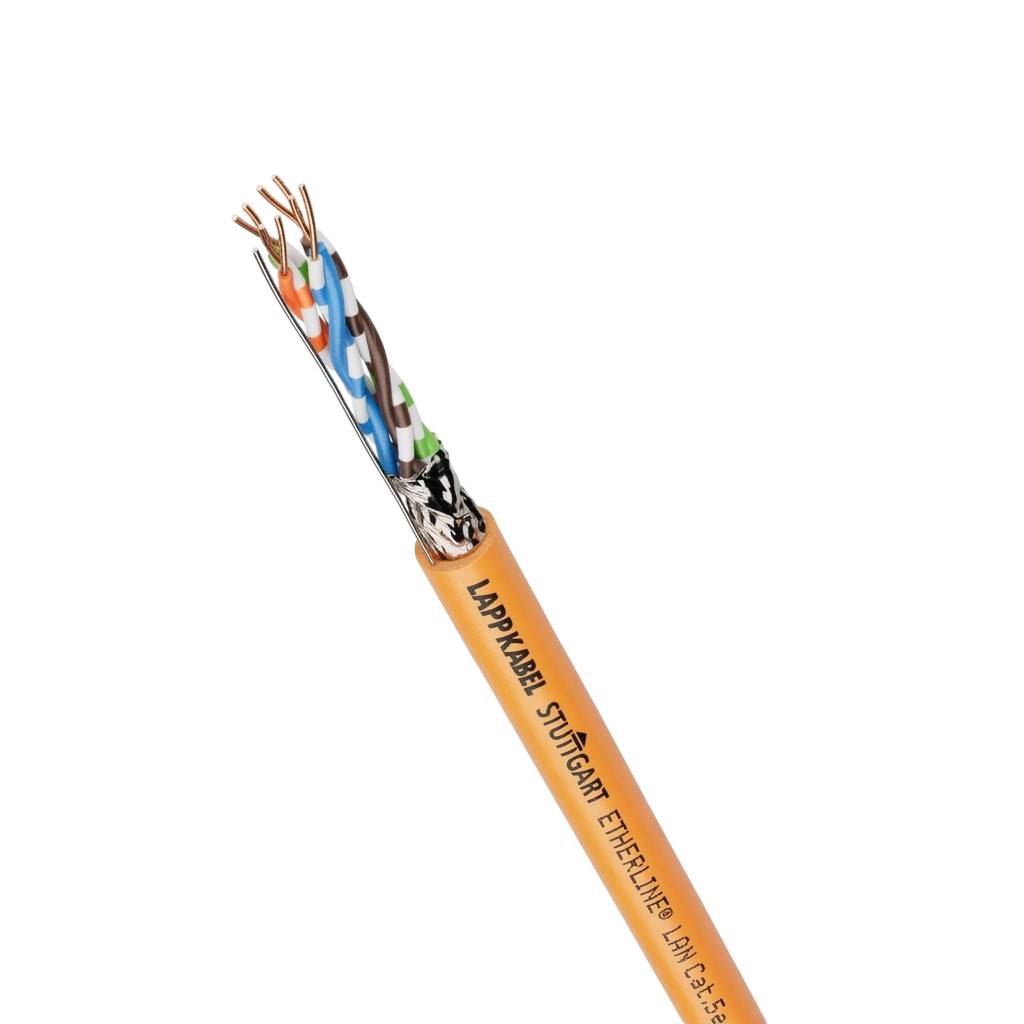
Cat5e cable (Category 5 Enhanced) is the minimum Ethernet cable standard still commonly found in existing networks. It was developed as an improvement over the original Cat5 standard by introducing tighter twisting specifications that reduce crosstalk and improve signal integrity.
Cat5e Specifications
Speed: Up to 1 Gbps
Bandwidth: 100 MHz
Maximum Distance: 100 metres
Wire Gauge: Typically 24 AWG
Shielding: Usually UTP (Unshielded Twisted Pair)
Where Cat5e Still Makes Sense
Cat5e continues to perform adequately in many existing installations and remains suitable for:
Basic office networking
Internet connections below 1 Gbps
Standard IP telephony
Basic CCTV installations
Existing infrastructure replacements
When Cat5e Is Not the Right Choice
Avoid Cat5e for:
New commercial buildings
Wi-Fi 7 deployments
High-power PoE++ applications
10 Gigabit networking requirements
Long-term future-proofing projects
Verdict on Cat5e
Cat5e still works for many existing networks, but it is no longer the preferred choice for new installations. The relatively small savings in cable cost rarely justify the limitations you'll face in future upgrades.
What Is Cat6 Ethernet Cable?
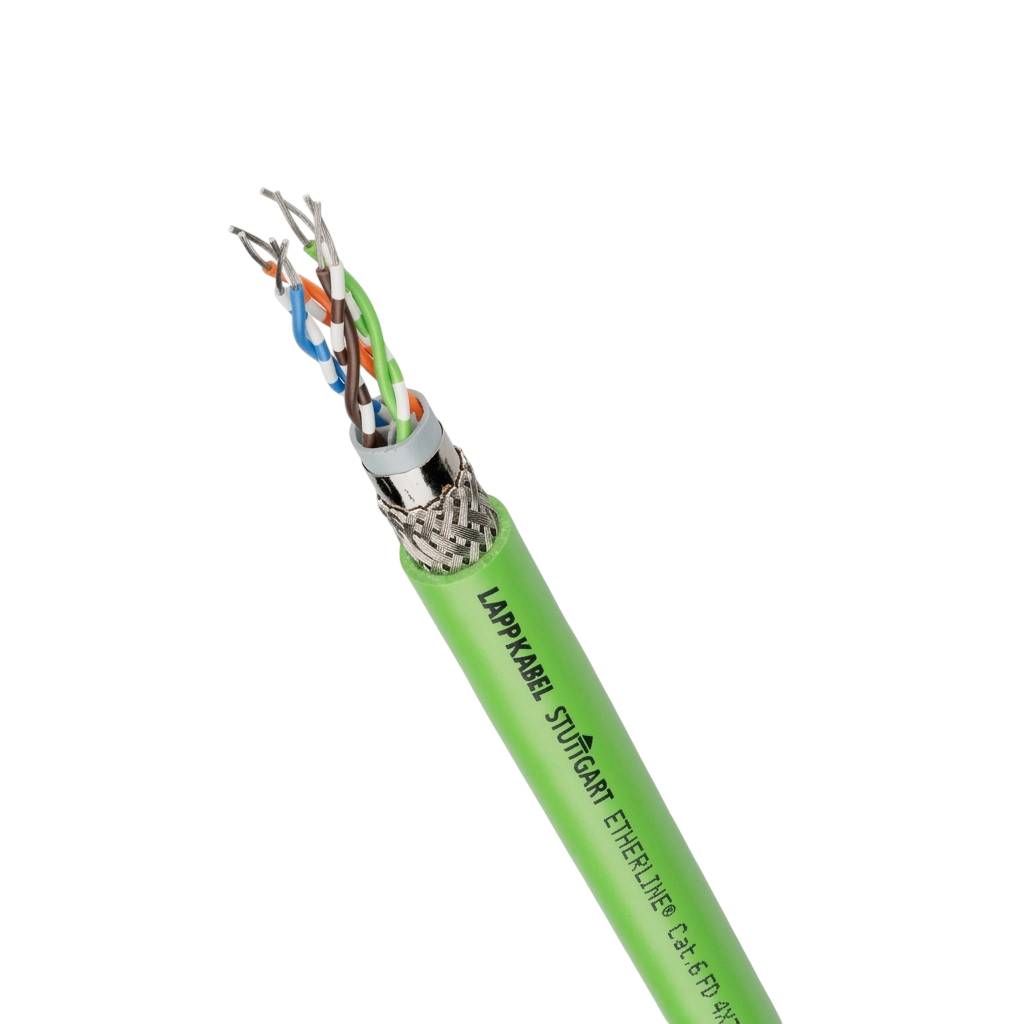
Cat6 ethernet cable represents a significant improvement over Cat5e. It uses thicker conductors, tighter twists, and often includes a spline separator that helps reduce internal crosstalk between wire pairs.
Cat6 Specifications
Speed: Up to 10 Gbps
Bandwidth: 250 MHz
Maximum Distance at 1 Gbps: 100 metres
Maximum Distance at 10 Gbps: Approximately 55 metres
Wire Gauge: Typically 23 AWG
Shielding: UTP or STP
The Most Important Limitation of Cat6
Many buyers assume Cat6 automatically supports 10 Gigabit Ethernet throughout an entire building.
It doesn't.
Cat6 can achieve 10 Gbps only on runs up to approximately 55 metres. Beyond that distance, performance falls back to lower speeds.
This limitation is often overlooked when planning office networks, commercial buildings, and large surveillance systems.
Where Cat6 Makes Sense
Cat6 is a strong option for:
Home networks
Gaming setups
NAS and media servers
Small offices with short cable runs
Budget-conscious upgrades from Cat5e
Verdict on Cat6
Cat6 remains an excellent option for homes and smaller networks. However, for large-scale commercial deployments, Cat6A often provides far better long-term value.
What Is Cat6A Ethernet Cable?
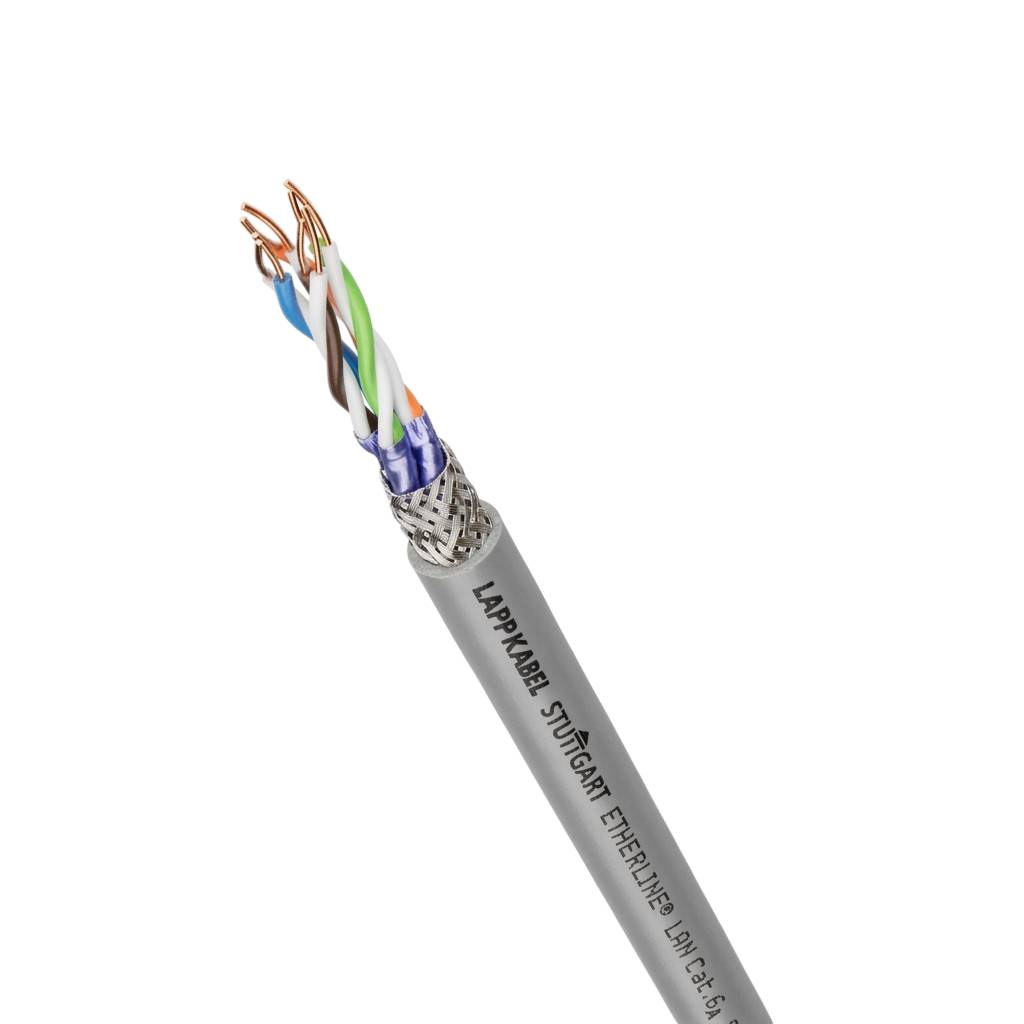
Cat6A ethernet cable (Augmented Category 6) was specifically developed to overcome the distance limitations of Cat6 while providing greater bandwidth and improved support for modern networking technologies.
Cat6A Specifications
Speed: 10 Gbps
Bandwidth: 500 MHz
Maximum Distance: 100 metres at 10 Gbps
Wire Gauge: Typically 23 AWG
Shielding: F/UTP or U/FTP
Why Cat6A Has Become the Preferred Choice
Cat6A offers several advantages:
Full 10 Gigabit Performance
Unlike Cat6, Cat6A supports 10 Gigabit Ethernet across the full 100-metre channel length.
Better PoE Performance
Modern devices such as:
Wi-Fi 7 access points
IP cameras
Smart lighting systems
Access control systems
often require higher PoE power levels. Cat6A's larger conductors and improved heat dissipation make it better suited for these applications.
Improved Future-Proofing
With growing demand for:
Multi-Gig networking
Wi-Fi 7
Smart buildings
Industrial IoT
Cat6A provides substantial bandwidth headroom for future upgrades.
Where Cat6A Makes Sense
Cat6A is ideal for:
New office buildings
Commercial facilities
Data centres
CCTV networks
Enterprise environments
Long-term infrastructure projects
Verdict on Cat6A
For most new installations in 2026, Cat6A is the safest and most practical choice.
What Is Cat7 Ethernet Cable?
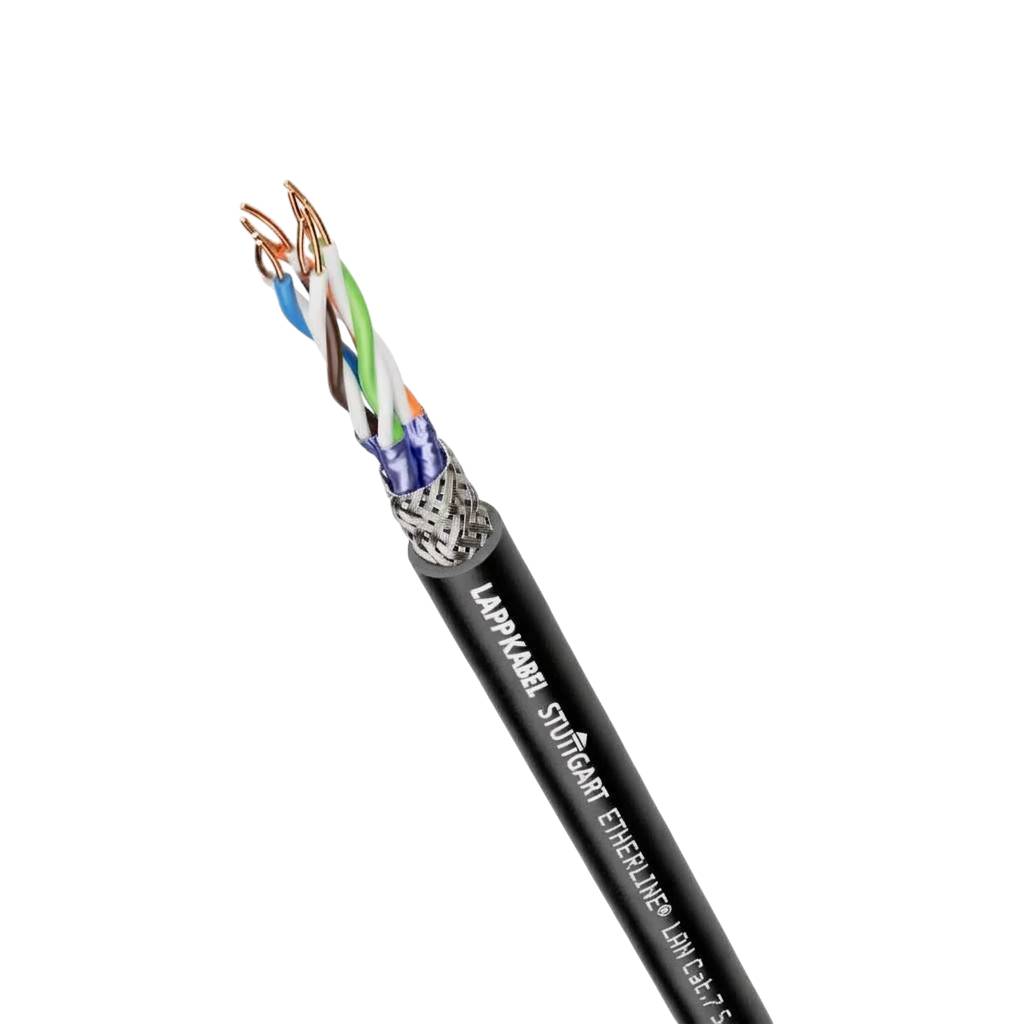
Cat7 is the most heavily shielded Ethernet cable category in this comparison.
It uses S/FTP construction, which means every twisted pair receives individual shielding while an additional overall braided shield protects the entire cable.
Cat7 Specifications
Speed: 10 Gbps
Bandwidth: 600 MHz
Maximum Distance: 100 metres
Shielding: S/FTP
Connector Standard: GG45 or TERA
The Biggest Cat7 Misconception
Many people assume Cat7 is automatically better than Cat6A.
In reality, Cat7 was developed under ISO/IEC standards rather than the structured cabling standards most commonly adopted in commercial networking environments.
As a result:
Cat7 is not widely specified in commercial structured cabling projects.
RJ45 compatibility can create confusion.
Manufacturer implementations can vary.
When Cat7 Makes Sense
Cat7 is most useful in:
Heavy manufacturing facilities
Industrial automation environments
Areas with significant EMI exposure
Specialized industrial networking applications
When Cat7 Doesn't Make Sense
For most homes, offices, and commercial buildings:
Cat6A provides comparable real-world performance.
Cat6A offers better interoperability.
Cat6A is typically easier to deploy and terminate.
Verdict on Cat7
Cat7 should be viewed as a specialized solution rather than a universal upgrade from Cat6A.
Cat6 vs Cat6A: Which One Should You Choose?
This is the comparison that matters most for most buyers.
Factor | Cat6 | Cat6A |
|---|---|---|
10 Gbps at 100 m | No | Yes |
Bandwidth | 250 MHz | 500 MHz |
PoE++ Support | Good | Excellent |
Future-Proofing | Moderate | Excellent |
Wi-Fi 7 Readiness | Limited | Excellent |
Cost | Lower | Slightly Higher |
Recommendation
Choose Cat6 if:
Your cable runs stay under 55 metres.
Budget is a major concern.
You're wiring a home network.
Choose Cat6A if:
You're building new infrastructure.
You need full 10 Gigabit performance.
You want maximum lifespan from the installation.
Cat7 vs Cat6A: Which Is Better?
For most commercial installations, Cat6A wins.
Cat7 only becomes worthwhile when severe electromagnetic interference is a documented concern.
If your environment includes:
Heavy motors
Industrial machinery
Welding equipment
High-voltage installations
then Cat7 may provide additional protection.
For virtually every other application, Cat6A remains the more practical choice.
Best Ethernet Cable for Wi-Fi 7
Wi-Fi 7 access points can exceed 1 Gbps of aggregate throughput.
Using Cat5e may create a bottleneck between the access point and the network switch.
For Wi-Fi 7 deployments:
Minimum Recommendation: Cat6
Preferred Recommendation: Cat6A
Cat6A ensures the wired infrastructure can support future wireless upgrades without requiring re-cabling.
Best Ethernet Cable for CCTV and IP Cameras
Modern surveillance systems increasingly rely on PoE and PoE++ power delivery.
Cat6A offers several advantages:
Better heat management
Improved power delivery
Greater future scalability
Better performance in large cable bundles
For professional CCTV installations, Cat6A is generally the preferred choice.
Common Mistakes to Avoid
Buying Cat7 for a Home Network
Most home users gain no practical advantage from Cat7 over Cat6A.
Expecting Cat6 to Deliver 10 Gbps Across an Entire Building
Cat6's 10 Gigabit capability is limited by distance.
Mixing Cable Categories
The entire channel performs according to its weakest component.
Choosing Based Only on Initial Cost
Labour is usually far more expensive than cable itself. Saving a small amount today can create major upgrade costs later.
Shop Ethernet Cables on Eleczo.com
Finding the right cable for your project is only half the job — sourcing it from a reliable supplier matters too. At Eleczo, you'll find a comprehensive range of structured cabling products across all categories:
Cat5e Ethernet Cables — for like-for-like replacements and budget-sensitive residential installs
Cat6 Ethernet Cables — for home networks and short-run commercial applications
Cat6A Ethernet Cables — for new commercial builds, enterprise networks, IP surveillance, and PoE++ applications
Cat7 Ethernet Cables — for industrial and high-EMI specialist environments
Whether you're a network engineer spec'ing a large commercial project, a facilities manager upgrading building infrastructure, or a homeowner future-proofing your home network, Eleczo carries the products and the technical stock to support your installation.
Conclusion
If you're maintaining an existing network, Cat5e may still be sufficient.
If you're wiring a home or small office, Cat6 remains a strong option.
However, for most new installations in 2026—including offices, commercial buildings, CCTV systems, Wi-Fi 7 deployments, and enterprise networks—Cat6A delivers the best balance of performance, future-proofing, standards compliance, and long-term value.
Cat7 should be reserved for specialized industrial environments where electromagnetic interference is a genuine concern rather than an assumed risk.
In short:
Cat5e = Existing Networks
Cat6 = Home Networks
Cat6A = Best Overall Choice
Cat7 = High-EMI Industrial Applications
Frequently Asked Questions
Is Cat6A worth the extra cost over Cat6?
For new installations, yes — almost always. The material cost difference is 10–20%, while the performance benefit (full 10 Gbps at 100m, better PoE support, 15+ year viability) is substantial. The real cost comparison is Cat6A materials now versus re-cabling labour later.
Can I use Cat7 with my existing RJ45 equipment?
Technically, some manufacturers terminate Cat7 with RJ45, but this is not the standard connector for Cat7 and isn't tested or certified to that spec. For RJ45-based infrastructure, Cat6A is the correct high-performance choice.
Is Cat5e still relevant in 2026?
Cat5e remains functional in existing installations where it's performing adequately and the network doesn't need 10G or high-wattage PoE. For new cabling, it's no longer the right baseline — Cat6 or Cat6A should be the minimum specification.
What's the difference between Cat6 and Cat6A for PoE?
Cat6A's larger conductors and lower resistance make it significantly better at handling high-power PoE loads (PoE++/IEEE 802.3bt up to 90W) in dense bundles without excessive heat buildup. For IP CCTV, smart lighting, and access control, Cat6A is the professional standard.
Does the cable category affect Wi-Fi speed?
Indirectly, yes. The Ethernet cable connecting your wireless access point to the switch determines the maximum backhaul bandwidth available to that access point. Wi-Fi 7 access points can generate aggregate throughput exceeding 1 Gbps, meaning a Cat5e backhaul becomes a bottleneck. Cat6A ensures the wired backhaul is never the limiting factor.