Cat6 Ethernet Cables – Complete Expert Guide for High-Speed Networking
Introduction: Why Cat6 Still Dominates Modern Networking
In today’s hyper-connected digital ecosystem, stable and high-speed wired communication is critical for everything from home internet usage to enterprise-grade data centers. Among all structured cabling options, the cat6 ethernet cable remains one of the most widely deployed and trusted standards due to its ability to deliver consistent performance, reduced latency, and improved resistance to network interference.
Unlike older generations of Ethernet cables, Cat6 is engineered for modern bandwidth-intensive applications such as 4K streaming, cloud computing, VoIP systems, gaming networks, surveillance systems, and large-scale enterprise connectivity. Its internal design improvements allow it to handle higher frequencies and minimize data loss, making it a long-term, future-ready networking solution.
To understand its dominance, we must break down its structure, performance capabilities, variations, and real-world deployment scenarios in detail.
Technical Architecture of Cat 6 Cable and Signal Performance
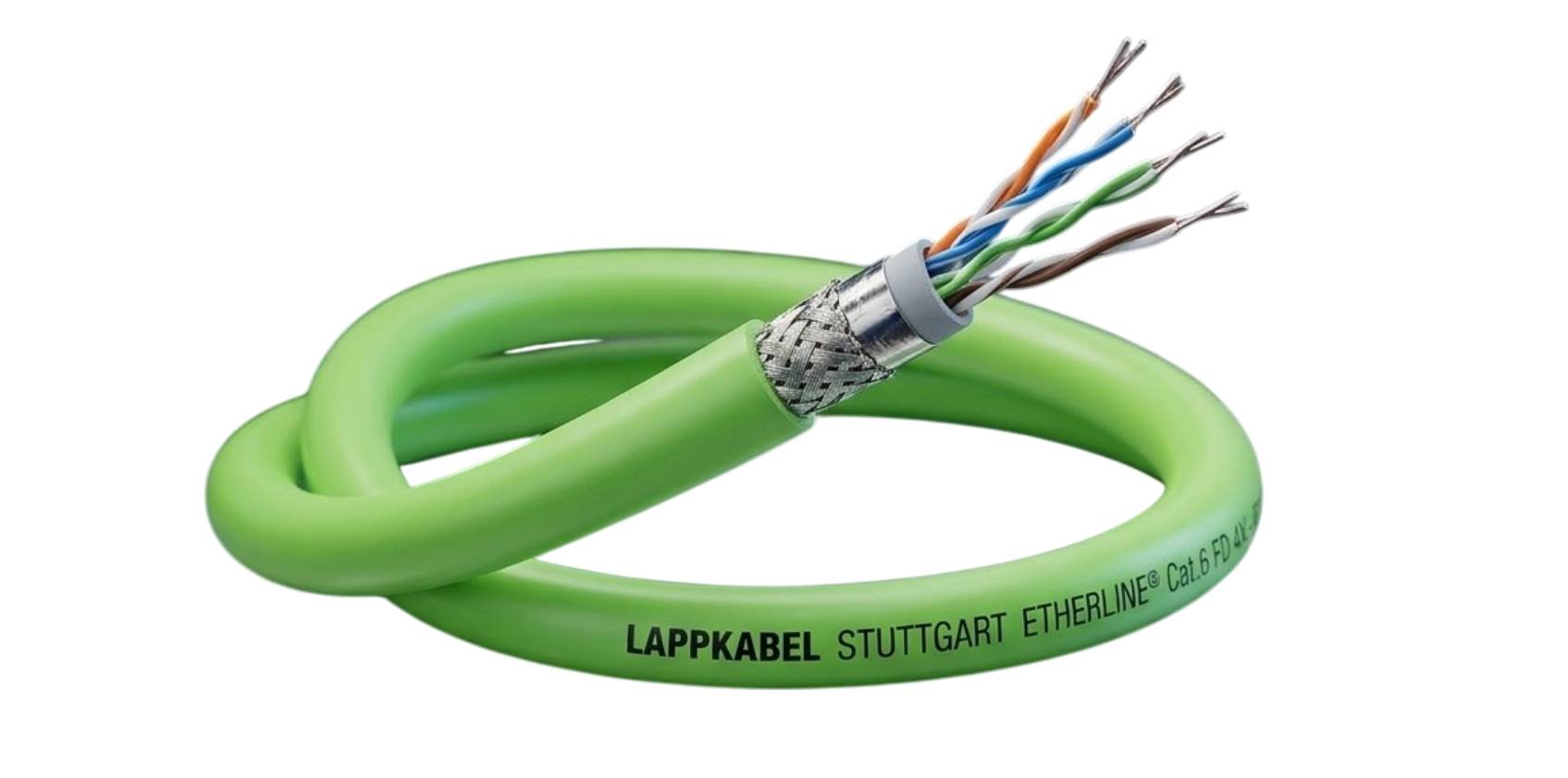
The cat 6 cable is designed with four tightly twisted copper wire pairs that significantly reduce electromagnetic interference and internal signal crosstalk. This structural improvement is what allows Cat6 to outperform earlier Ethernet categories in both speed and stability.
It supports a bandwidth of up to 250 MHz, which is double that of Cat5e, enabling faster and more reliable data transmission across connected devices. This makes it ideal for environments where multiple systems operate simultaneously on the same network backbone.
A key engineering enhancement in Cat6 cables is the inclusion of tighter twisting ratios and, in some variants, a central spline separator. This physical isolation ensures signal clarity even under high network loads, making it suitable for enterprise-grade communication systems.
Performance Comparison: Cat6 vs Cat5e vs Cat6A (Critical Insight)
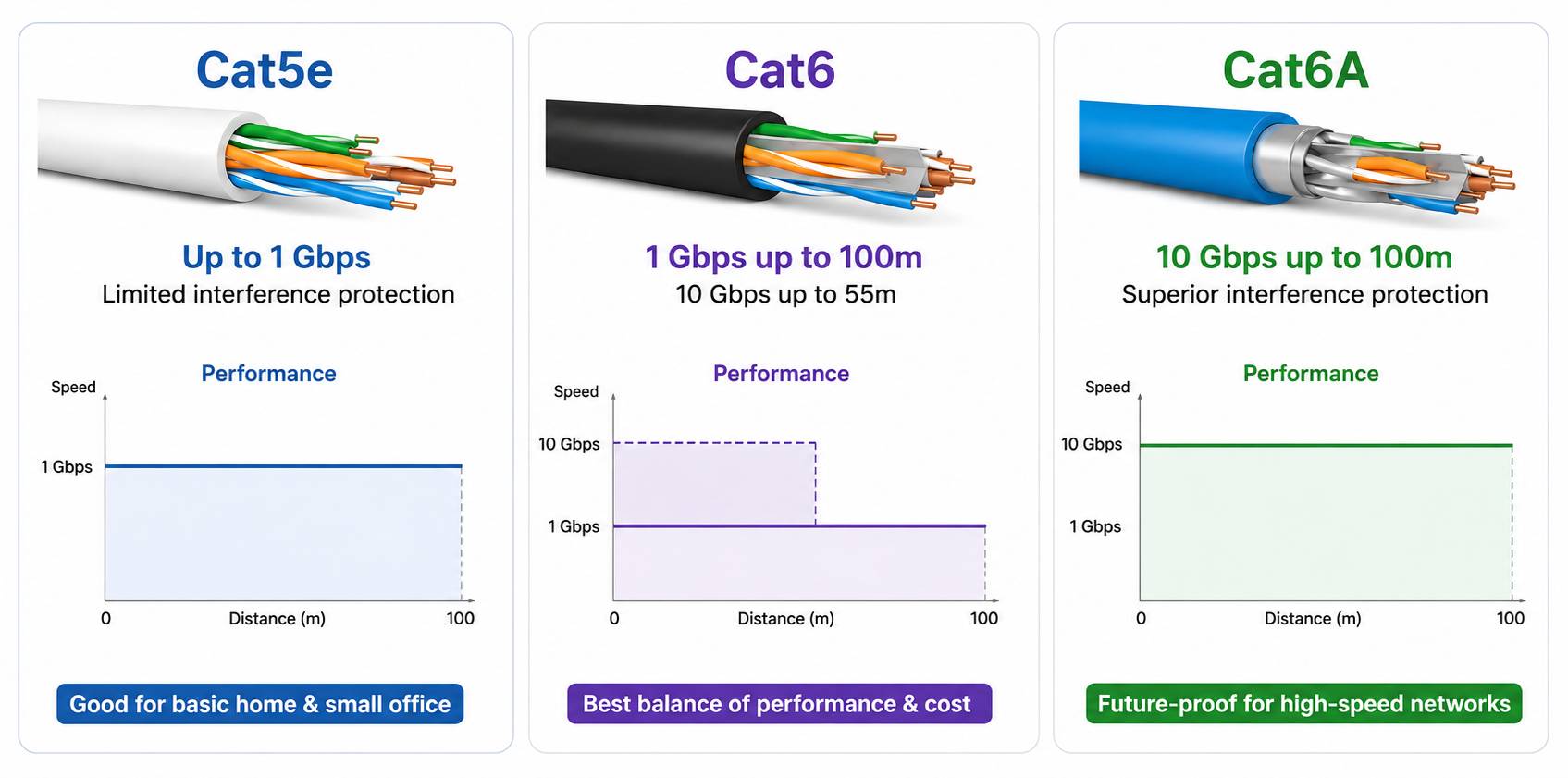
To understand the true capability of Cat6, it is essential to compare it with adjacent Ethernet standards used in networking infrastructure.
Cat5e supports speeds up to 1 Gbps with limited interference protection. Cat6 improves this by maintaining 1 Gbps performance over longer distances and enabling short-range 10 Gbps connectivity. However, Cat6A extends this capability further by supporting 10 Gbps speeds over full 100-meter runs with even better shielding.
Cat6 stands in the “sweet spot” between affordability and high performance. It is widely chosen because it balances cost efficiency with strong real-world performance for both residential and commercial networks.
Outdoor Durability and Environmental Engineering in Cat 6 Outdoor Cable
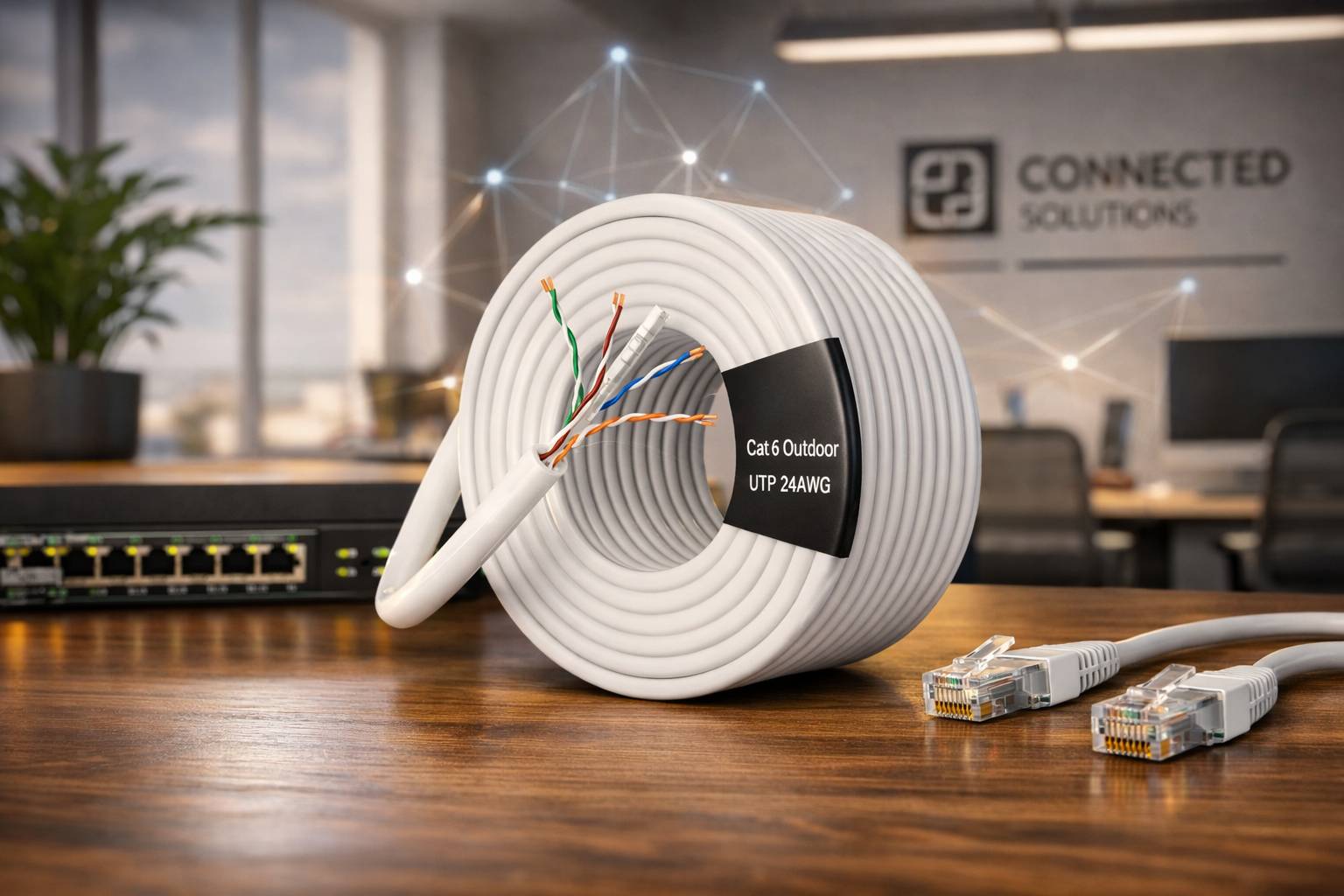
The cat 6 outdoor cable is specifically designed for environments where standard indoor cables would fail due to exposure to harsh external conditions. These cables are built with UV-resistant jackets, moisture protection layers, and temperature-tolerant insulation materials.
This makes them highly suitable for outdoor surveillance systems, inter-building connectivity, industrial campuses, and smart city infrastructure deployments. Their durability ensures that data transmission remains stable even when installed underground, overhead, or across exposed environments.
By maintaining signal integrity in unpredictable conditions, outdoor Cat6 variants play a crucial role in extending network infrastructure beyond indoor limitations.
Market Dynamics and Cat 6 Cable Price Considerations
The cat 6 cable price is influenced by multiple technical and commercial factors, including copper purity, shielding type (UTP vs STP), brand engineering standards, and cable certification levels.
Higher-grade Cat6 cables use oxygen-free copper conductors that enhance conductivity and reduce long-term signal degradation. Shielded variants also provide additional protection in electrically noisy environments such as factories and industrial setups.
For businesses and system integrators, pricing is often evaluated in terms of lifecycle value rather than upfront cost. Reliable sourcing platforms like Eleczo help buyers access verified products, bulk procurement options, and technical assistance for selecting the right cable type based on project scale and performance requirements.
Structured Networking Backbone Using Cat 6 Network Cable
The cat 6 network cable serves as a foundational element in modern structured cabling systems where multiple endpoints must communicate efficiently. It is widely used in LAN environments, server rooms, office networks, and industrial automation systems.
Its ability to support high-speed data transfer with minimal latency ensures uninterrupted connectivity across routers, switches, access points, and endpoint devices. This makes it an essential component for businesses relying on real-time communication and cloud-based operations.
In large-scale deployments, Cat6 provides scalability, allowing networks to expand without requiring complete infrastructure replacement.
Engineering Precision and Signal Integrity in Cat 6 Wiring
The internal engineering of cat 6 wiring focuses on maximizing transmission accuracy by maintaining controlled impedance and reducing near-end crosstalk (NEXT). The twisted pair design ensures that each signal pair remains isolated enough to prevent data corruption during transmission.
This structured approach to wiring allows Cat6 to maintain stable performance even in environments with heavy electrical interference or dense cable routing systems. It is widely used in professional networking installations where consistency and reliability are critical performance factors.
Industrial Grade Excellence: Lapp Cat6 Ethernet Solutions at Eleczo
Lapp is a globally recognized engineering brand known for its high-performance industrial cabling systems. Its Cat6 Ethernet cables are designed for environments that demand long-term durability, mechanical strength, and stable data transmission under continuous operation.
These cables are widely used in automation systems, industrial networking, and mission-critical communication infrastructure where failure is not an option. Their engineering ensures consistent performance even under vibration, temperature fluctuations, and electrical load variations.
Lapp Cat6 Ethernet Cables Available at Eleczo – Product Comparison Table
No. | Product Name | Cable Type / Specification |
|---|---|---|
1 | 8 Core, 4 Pair | |
2 | 24 AWG, 4 Pair, 8 Core, Orange, 48V AC, PE-HFFR | |
3 | 23 AWG, 4 Pair, 8 Core, Orange, 48V AC, PE-HFFR | |
4 | 8 Core, 4 Pair, Black | |
5 | 0.15 sq mm, 4 Pair, 8 Core, Green, 48V AC, PO-PUR-FR |
For procurement and sourcing, Eleczo provides access to genuine Lapp Cat6 Ethernet solutions along with detailed technical specifications and availability support. This enables businesses and engineers to select the right-grade cable for industrial, commercial, and enterprise applications with confidence and transparency.
Conclusion: Why Cat6 Remains a Future-Ready Networking Standard
Cat6 continues to be one of the most balanced and widely adopted Ethernet standards in modern networking due to its combination of speed, reliability, affordability, and scalability. It effectively bridges the gap between basic home networking needs and advanced enterprise infrastructure requirements.
Its engineering design ensures low interference, stable high-speed performance, and adaptability across diverse environments, from residential setups to industrial networks. With multiple variants available, including outdoor and shielded versions, Cat6 remains highly flexible for evolving digital demands.
Supported by premium brands like Lapp and reliable sourcing platforms like Eleczo, Cat6 cabling remains a cornerstone of modern wired networking infrastructure and will continue to play a vital role in global connectivity systems.
Frequently Asked Questions (FAQs)
What speed can Cat6 Ethernet cables support?
Cat6 cables support up to 1 Gbps over long distances and can handle up to 10 Gbps over shorter distances (typically up to 55 meters depending on installation quality).
Is Cat6 better than Cat5e for home use?
Yes, Cat6 provides better speed stability, reduced interference, and improved future readiness compared to Cat5e, making it ideal for modern home networks.
What is the main advantage of Cat6A over Cat6?
Cat6A supports full 10 Gbps speeds over 100 meters, whereas Cat6 is limited in distance for 10 Gbps performance.
When should shielded Cat6 cables be used?
Shielded Cat6 cables are recommended in environments with high electromagnetic interference such as factories, industrial zones, and heavy machinery areas.
Why is Lapp a preferred brand for Cat6 cables?
Lapp is known for industrial-grade engineering, durability, and high-performance standards, making its cables suitable for critical networking environments.
Where can I buy genuine Cat6 Ethernet cables?
You can source high-quality and verified Cat6 solutions, including Lapp-brand options, through Eleczo, which provides structured procurement support and product availability for both industrial and commercial needs.