LSZH vs PVC Cables: Which Insulation Is Right for You?

Introduction
When you buy a network cable, you probably check the category — Cat5e, Cat6, Cat6A, or Cat7. But here is something many people miss: the outer jacket of that cable matters just as much, especially when it comes to safety.
Two types of cable jackets are commonly used today — LSZH (Low Smoke Zero Halogen) and PVC (Polyvinyl Chloride). They may look similar on the outside, but in a fire, they behave very differently. One can fill a room with thick, toxic black smoke. The other gives people a much better chance to escape safely.
In this guide, we will break down exactly what LSZH and PVC mean, how they compare, and which one you should choose for your home, office, or building.
What Is LSZH Cable?
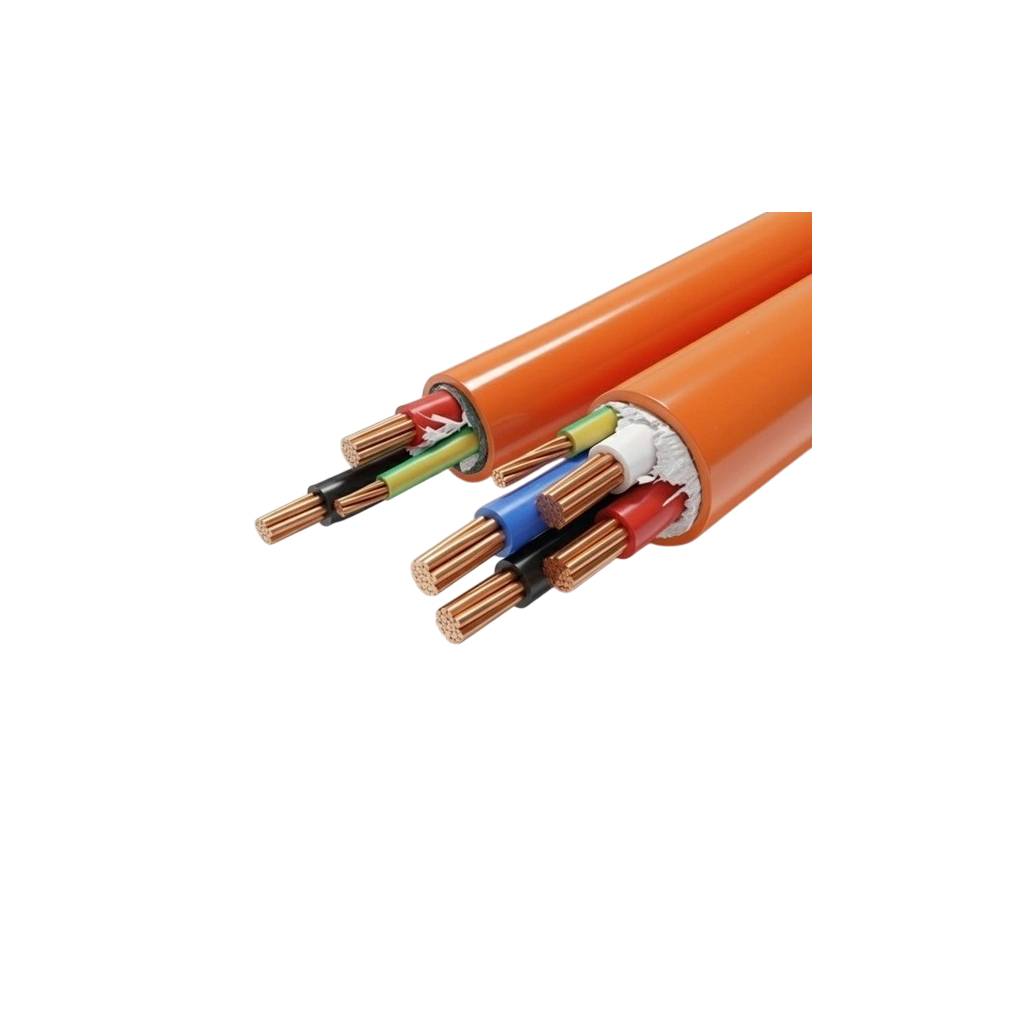
LSZH stands for Low Smoke Zero Halogen. The name tells you everything: when this cable is exposed to fire, it produces very little smoke and releases no halogen gases.
LSZH cables are made from halogen-free materials such as polyethylene (PE) and thermoplastic elastomers (TPE). Instead of releasing corrosive gases, these materials absorb heat and release water vapour during combustion, which actually helps slow down the fire.
Key things to know about LSZH cables:
Low smoke: Produces up to 80–90% less smoke than PVC cables during a fire.
Zero halogen: No toxic gases like hydrogen chloride (HCl) are released.
Better visibility: People can see exits more clearly and evacuate safely.
Less equipment damage: Corrosive gas from PVC can destroy electronics even if the fire never reaches them.
What Is PVC Cable?
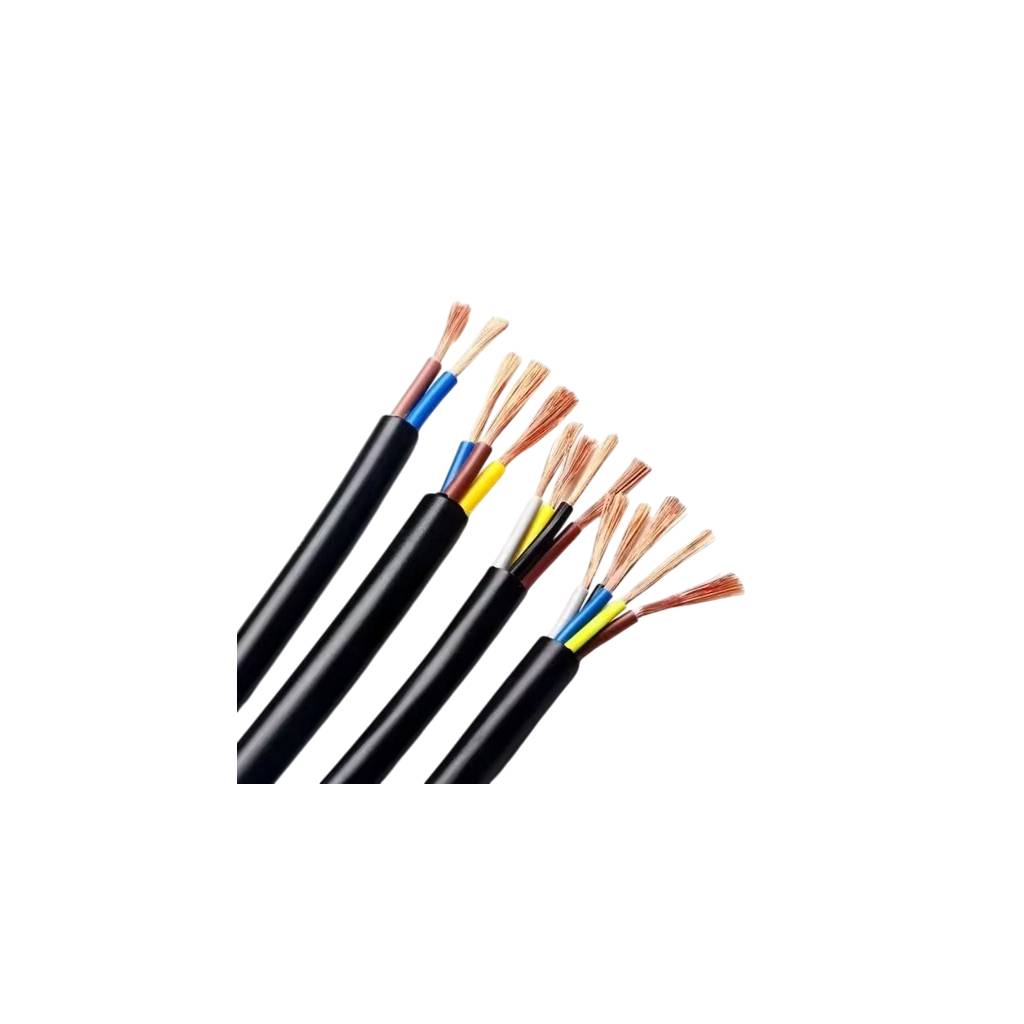
PVC stands for Polyvinyl Chloride. It is the most common cable jacket material in the world — affordable, flexible, and easy to work with.
PVC has been used in electrical cables for decades. It is tough, resistant to moisture, and works well in a wide range of environments. However, PVC contains chlorine, and when it burns, that chlorine turns into hydrogen chloride gas.
When hydrogen chloride meets moisture — from a sprinkler system, your eyes, or your lungs — it forms hydrochloric acid. That is as dangerous as it sounds.
Key things to know about PVC cables:
High smoke: Burns with dense black smoke that reduces visibility.
Toxic gases: Releases around 28% hydrogen chloride when burned.
Cost-effective: Cheaper to produce and widely available.
Flexible: Easy to route through walls, conduits, and tight spaces.
LSZH vs PVC: Side-by-Side Comparison
Here is a quick overview of how these two cable types compare across the most important factors:
Feature | LSZH Cable | PVC Cable |
|---|---|---|
Material | Halogen-free polyolefins (PE, TPE) | Polyvinyl Chloride (PVC) with chlorine |
Smoke in Fire | Up to 80–90% less smoke | Dense black smoke |
Toxic Gas | Emits < 0.5% HCl | Releases ~28% hydrogen chloride |
Flexibility | Slightly stiffer | Very flexible |
Cost | Higher (premium material) | Lower (budget-friendly) |
Environment | Eco-friendly, easier to recycle | More environmental impact |
Best For | Public buildings, data centres, transport | Homes, offices, outdoor use |
Fire Safety: The Biggest Difference
This is where LSZH and PVC are worlds apart.
Studies from the British Standards Institution (BSI) show that LSZH cables can reduce smoke density by up to 80% compared to PVC cables. In fact, industrial fire statistics show that toxic gases — not flames — cause around 70% of fire-related deaths. Dense smoke blocks exits and disorients people trying to escape.
Did You Know: LSZH cables emit less than 0.5% hydrogen chloride, while standard PVC cables can release around 28% when they burn. That is a massive difference in a crowded building or enclosed space. |
LSZH cables also resist spreading flames better than PVC in densely bundled cable trays — common in data centres and server rooms. PVC can cause fire to jump from one cable cluster to another, while LSZH limits this risk significantly.
Where Should You Use LSZH Cable?
LSZH is the right choice whenever people's safety and equipment protection matter most. Ideal environments include:
Hospitals and healthcare facilities: Patients may not be able to evacuate quickly.
Schools and universities: High occupancy, enclosed corridors.
Airports and train stations: Crowded public spaces with limited exits.
Data centres: Toxic gases from PVC can destroy servers even without direct fire contact.
High-rise office buildings: Smoke travels upward through floors rapidly.
Subways and tunnels: Completely enclosed spaces with no ventilation.
Where Is PVC Cable Still Acceptable?
PVC is not the wrong choice in every situation. It remains a practical option where fire risk is lower and budgets are tight:
Outdoor installations: PVC handles UV exposure and weathering well.
Residential wiring: Standard homes with open layouts and smoke alarms.
Industrial settings (open air): Where ventilation naturally disperses gases.
General office cabling (non-plenum): Where local codes permit PVC use.
LSZH and PVC in Ethernet Cables: Cat5e, Cat6, Cat6A, and Cat7
If you are setting up a network — whether at home, in an office, or in a data centre — understanding how LSZH and PVC apply to Ethernet cables is essential. Both jacket types are available across all standard cable categories.
Cable Type | Max Speed | Max Bandwidth | LSZH Available | Best Use |
|---|---|---|---|---|
Cat5e | 1 Gbps | 100 MHz | Yes | Home / Small Office |
Cat6 | 10 Gbps (short) | 250 MHz | Yes | Office & SMB |
Cat6A | 10 Gbps | 500 MHz | Yes | Data Centre / Enterprise |
Cat7 | 10 Gbps | 600 MHz | Yes | High-density / Industrial |
Cat5e — Reliable and Budget-Friendly
Cat5e cables support speeds up to 1 Gbps and are still widely used in homes and small offices. Available in both PVC and LSZH versions. If your installation is in a public or semi-enclosed space, the LSZH version is worth the small extra cost.
Shop Cat5e Cables on Eleczo — available in both PVC and LSZH.
Cat6 — The Standard for Modern Offices
Cat6 cables offer 250 MHz bandwidth and can hit 10 Gbps over short distances. A great all-rounder for SMB networks and office environments. Cat6 LSZH cables are an excellent choice for open-plan offices and shared workspaces.
Shop Cat6 Cables on Eleczo — find the right jacket for your space.
Cat6A — Best for Data Centres and Enterprise
Cat6A delivers 10 Gbps at 500 MHz across full 100-metre runs — ideal for enterprise networks and data centres where cables are bundled tightly. In these environments, LSZH is strongly recommended both for safety compliance and equipment protection from corrosive gases.
Shop Cat6A Cables on Eleczo — LSZH variants available for compliant enterprise installations.
Cat7 — Maximum Performance and Shielding
Cat7 cables feature 600 MHz bandwidth and full shielding (S/FTP), making them perfect for high-density, interference-prone environments. Cat7 LSZH cables bring both top-tier speed and fire safety — a combination that demanding industrial and commercial projects increasingly require.
Shop Cat7 Cables on Eleczo — for high-performance, safety-focused installations.
Does LSZH Cost More?
Yes — LSZH cables are generally more expensive than their PVC counterparts. The advanced halogen-free materials and more complex manufacturing process add to the price. But when you factor in the cost of protecting people and preventing equipment damage from corrosive smoke, the investment quickly makes sense.
Think of it this way: replacing servers damaged by hydrochloric acid gas, or dealing with the aftermath of a preventable injury, costs far more than upgrading to LSZH cables upfront.
Which Is Better for the Environment?
LSZH cables win here as well. PVC production involves chlorine, and disposal or incineration releases dioxins into the environment. LSZH cables are made from halogen-free polymers that are safer to produce, generate less harmful emissions in fires, and are easier to recycle at end of life.
If your organisation has sustainability targets or green building certifications (like LEED or BREEAM), specifying LSZH cabling is a step in the right direction.
Final Verdict: Which Should You Choose?
Quick Decision Guide: Choose LSZH if you are installing cables in public buildings, offices, data centres, hospitals, schools, or any enclosed space. Choose PVC if you need outdoor cables, are on a tight budget for a residential project, or local codes specifically allow it for your installation type. |
For most commercial and semi-public installations in India — shopping malls, corporate offices, educational institutes, hospitals, and co-working spaces — LSZH is increasingly the expected standard, and for good reason.
Whether you need Cat5e for a home setup, Cat6 for a growing office, Cat6A for a data centre, or Cat7 for a high-performance industrial network, Eleczo.com has you covered with both LSZH and PVC options.
Shop Internet & Network Cables on Eleczo.
Explore our full range of Cat5e, Cat6, Cat6A, and Cat7 cables — in both LSZH and PVC jacket options — at |
Common Questions About LSZH vs PVC
Can I mix LSZH and PVC cables in the same installation?
It is technically possible, but not recommended for safety-critical pathways. In a fire, PVC cables will generate toxic smoke regardless of any LSZH cables nearby, which defeats the safety benefit. If mixing is unavoidable, additional fire protection and segregation should be in place.
Is LSZH the same as fire-resistant cable?
No. LSZH means the cable produces low smoke and no halogen gases when it burns. Fire-resistant cables are designed to keep working even during a fire — these are different certifications. For emergency systems like fire alarms or emergency lighting, you may need both properties.
Does the jacket material affect network performance?
No. Both LSZH and PVC cables can meet the same Cat5e, Cat6, Cat6A, or Cat7 performance standards. Your data speeds will not be affected by which jacket material you choose — only the fire behaviour changes.