Network Cables: Complete Guide to Connectivity Solutions
Introduction
In today's digital world, connectivity is no longer a luxury—it is the foundation of modern business operations, industrial automation, smart infrastructure, data centers, educational institutions, healthcare facilities, and commercial establishments. Every email sent, machine monitored, video conference conducted, or cloud application accessed depends on a reliable communication infrastructure working behind the scenes.
At the heart of this infrastructure are network cables, which provide the physical pathway for transmitting data between devices, systems, and applications. While wireless technologies continue to evolve, wired communication remains the preferred choice for environments that require high reliability, low latency, consistent performance, and enhanced security.
From office networks and enterprise environments to manufacturing facilities and industrial automation systems, selecting the right networking solution is critical for ensuring operational efficiency and long-term reliability. Understanding how communication cables function and choosing products from trusted manufacturers can significantly improve network performance while supporting future technological growth.
Understanding Modern Network Infrastructure
Modern communication networks consist of numerous interconnected devices, including computers, servers, switches, routers, sensors, controllers, cameras, and automation equipment. These devices must exchange information continuously and accurately to maintain smooth operations.
The physical communication medium connecting these devices plays a vital role in determining overall network performance. A high-quality network wire helps maintain signal integrity, reduces interference, and supports stable data transmission even in demanding environments.
As organizations continue to embrace Industry 4.0, Industrial Internet of Things (IIoT), cloud computing, artificial intelligence, and smart manufacturing initiatives, the importance of reliable communication infrastructure continues to grow.
Why Reliable Network Cabling Matters
Many organizations invest heavily in networking hardware, servers, and software platforms but overlook the importance of the underlying communication infrastructure. Even the most advanced networking equipment cannot perform optimally if the cabling system introduces signal degradation, communication errors, or unexpected downtime.
Reliable cabling infrastructure offers several benefits:
Stable communication performance
Reduced network interruptions
Improved productivity
Enhanced security
Better scalability
Lower maintenance costs
Long-term operational reliability
A properly designed communication network creates a foundation that supports business growth while minimizing infrastructure-related challenges.
The Growing Role of Network Infrastructure in Industry 4.0
Industry 4.0 is transforming the way organizations operate by integrating intelligent technologies, automation systems, and real-time data analytics into everyday operations. Modern manufacturing facilities increasingly rely on connected devices, sensors, controllers, and cloud-based platforms that continuously exchange information across communication networks.
Reliable communication infrastructure enables organizations to implement predictive maintenance strategies, monitor equipment performance remotely, optimize production processes, and improve operational visibility. As digital transformation initiatives continue to expand, communication networks serve as the backbone that supports these advanced technologies.
Organizations investing in robust communication infrastructure today are better positioned to adapt to future technological developments while maintaining efficiency, productivity, and competitiveness in rapidly evolving markets.
The Evolution of Ethernet Communication
Ethernet technology has become the global standard for wired networking due to its flexibility, reliability, and performance. Over the years, Ethernet has evolved to support increasingly higher data rates and more demanding applications.
Today, an ethernet cable can be found in offices, factories, educational institutions, transportation systems, healthcare facilities, and data centers worldwide. The widespread adoption of Ethernet technology demonstrates its effectiveness as a communication platform capable of supporting both current and future networking requirements.
As industries continue to automate operations and generate larger volumes of data, Ethernet communication remains one of the most dependable solutions available.
Understanding Common Network Cable Categories
Modern communication infrastructures utilize different cable categories to support varying bandwidth requirements and application demands. Understanding these categories helps organizations select solutions that align with both current and future networking requirements.
Cat5e Solutions
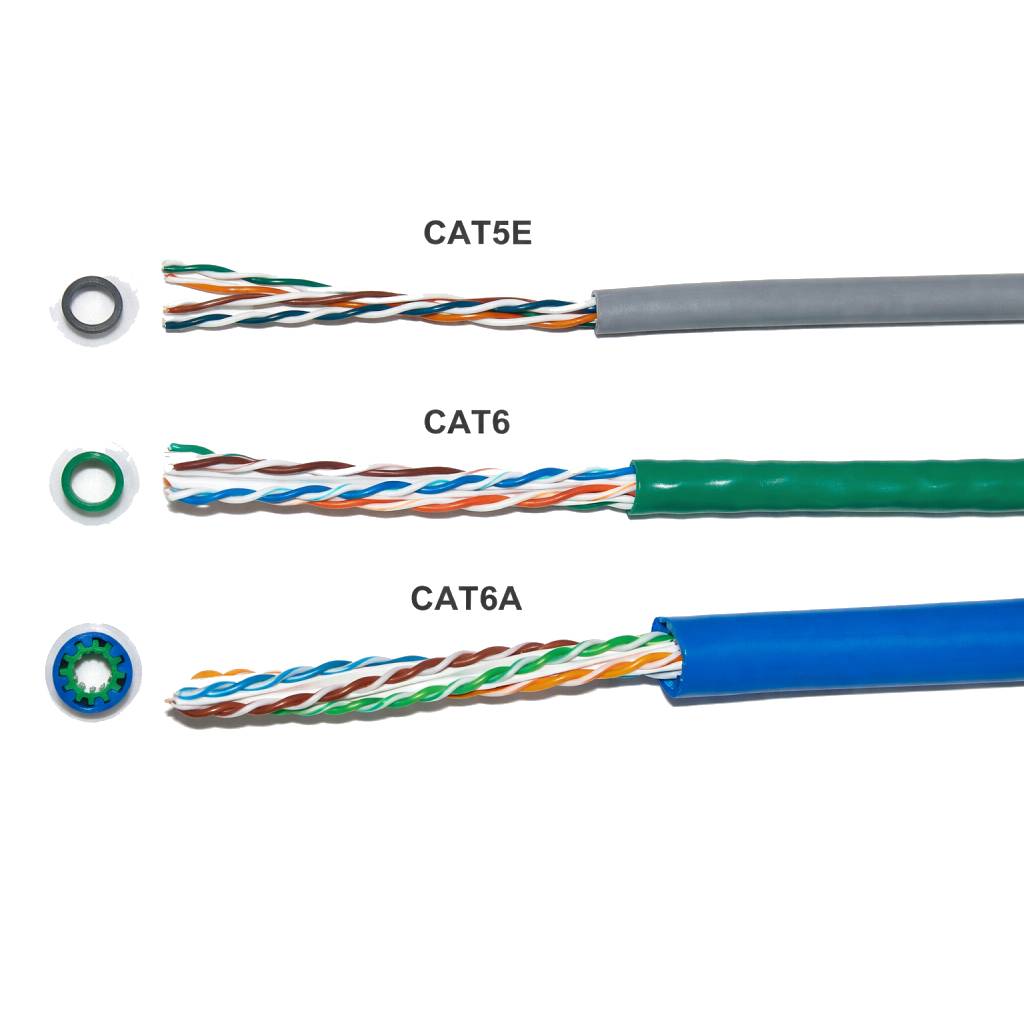
Cat5e remains a widely used option for standard networking environments. It supports reliable data transmission for office networks, business communications, and general-purpose connectivity requirements.
Cat6 Solutions
Cat6 communication products provide improved performance and enhanced protection against signal interference. They are commonly deployed in enterprise networks, commercial buildings, and infrastructure projects requiring greater data handling capabilities.
Cat6A Solutions
Cat6A products are designed for higher-performance applications and are often used in data centers, industrial facilities, and advanced communication environments where scalability and long-term performance are important considerations.
Selecting the appropriate communication solution depends on bandwidth requirements, installation conditions, future growth plans, and overall operational objectives.
Industrial Ethernet vs Standard Ethernet Networks
While standard office networks focus primarily on connecting computers and communication devices, industrial networks often operate under significantly more demanding conditions.
Industrial communication systems must function reliably despite exposure to vibration, temperature fluctuations, electromagnetic interference, moisture, oils, chemicals, and mechanical stress. As a result, industrial networking solutions require specialized designs that provide superior durability and signal integrity.
This is why many manufacturers and automation professionals choose industrial-grade communication products specifically engineered for challenging environments. These solutions help maintain network stability while supporting critical operational processes.
The Importance of Shielding in Industrial Networks
Industrial facilities frequently contain equipment that generates electromagnetic interference, including motors, transformers, drives, switchgear, and heavy machinery. This interference can negatively impact communication quality if networking infrastructure is not designed to withstand challenging operating conditions.
Shielded communication solutions help maintain signal integrity by reducing the effects of external electrical noise. Proper shielding contributes to more stable communication, improved reliability, reduced downtime, and enhanced overall network performance.
For mission-critical operations where continuous communication is essential, selecting appropriately protected networking infrastructure can significantly improve long-term operational stability.
LAPP: A Trusted Name in Industrial Connectivity
LAPP has established itself as one of the world's leading providers of industrial communication and connectivity solutions. The company is recognized globally for its engineering excellence, product quality, and commitment to innovation.
LAPP networking solutions are widely used across industries including manufacturing, automation, transportation, energy, infrastructure development, process engineering, and commercial construction. Organizations trust LAPP because its products are designed to deliver reliable performance in both standard and demanding operating environments.
The company's networking portfolio includes several specialized product families that address a wide range of communication requirements.
Etherline: Advanced Industrial Ethernet Solutions

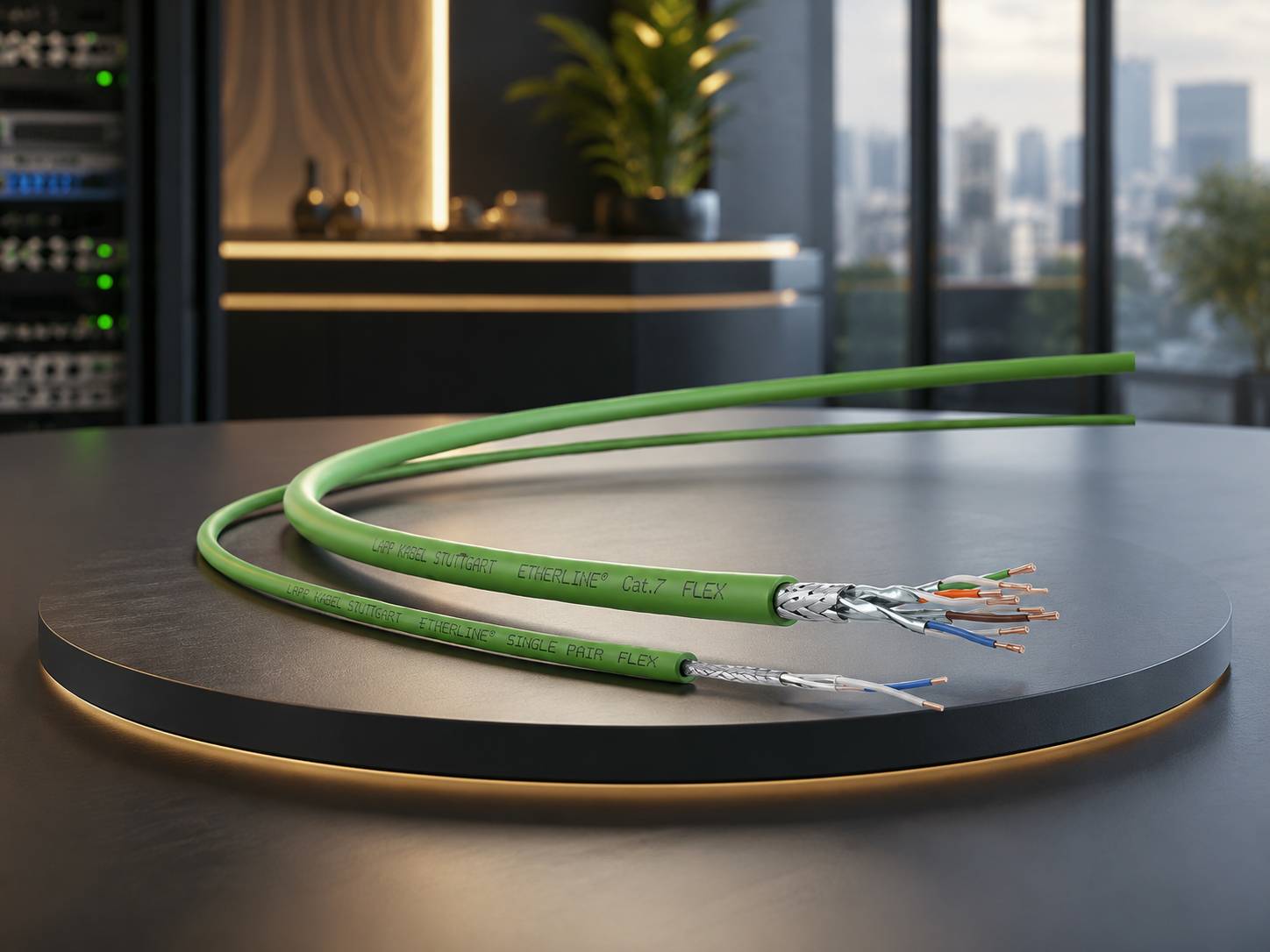
Etherline products are specifically developed for industrial Ethernet communication applications. These solutions are engineered to support high-speed data transmission while maintaining reliable performance in environments where conventional communication products may struggle.
Manufacturing facilities, robotics systems, automation networks, and industrial machinery often require communication infrastructure capable of withstanding vibration, movement, and electromagnetic interference. Etherline products are designed to meet these requirements while ensuring dependable communication between devices and systems.
Their robust construction and industrial-grade performance make them a preferred choice for organizations seeking long-term networking reliability.
Unitronic LAN: Reliable Structured Communication

Unitronic LAN solutions are designed to support structured communication networks in commercial and industrial environments. These products provide dependable data transmission capabilities that help organizations maintain stable and efficient communication infrastructures.
Whether deployed in office buildings, educational institutions, healthcare facilities, or industrial operations, Unitronic LAN products offer the performance and reliability necessary to support modern networking requirements.
As data demands continue to increase, organizations benefit from communication infrastructure capable of adapting to evolving technological needs.
Unitronic BUS3: Supporting Industrial Fieldbus Communication
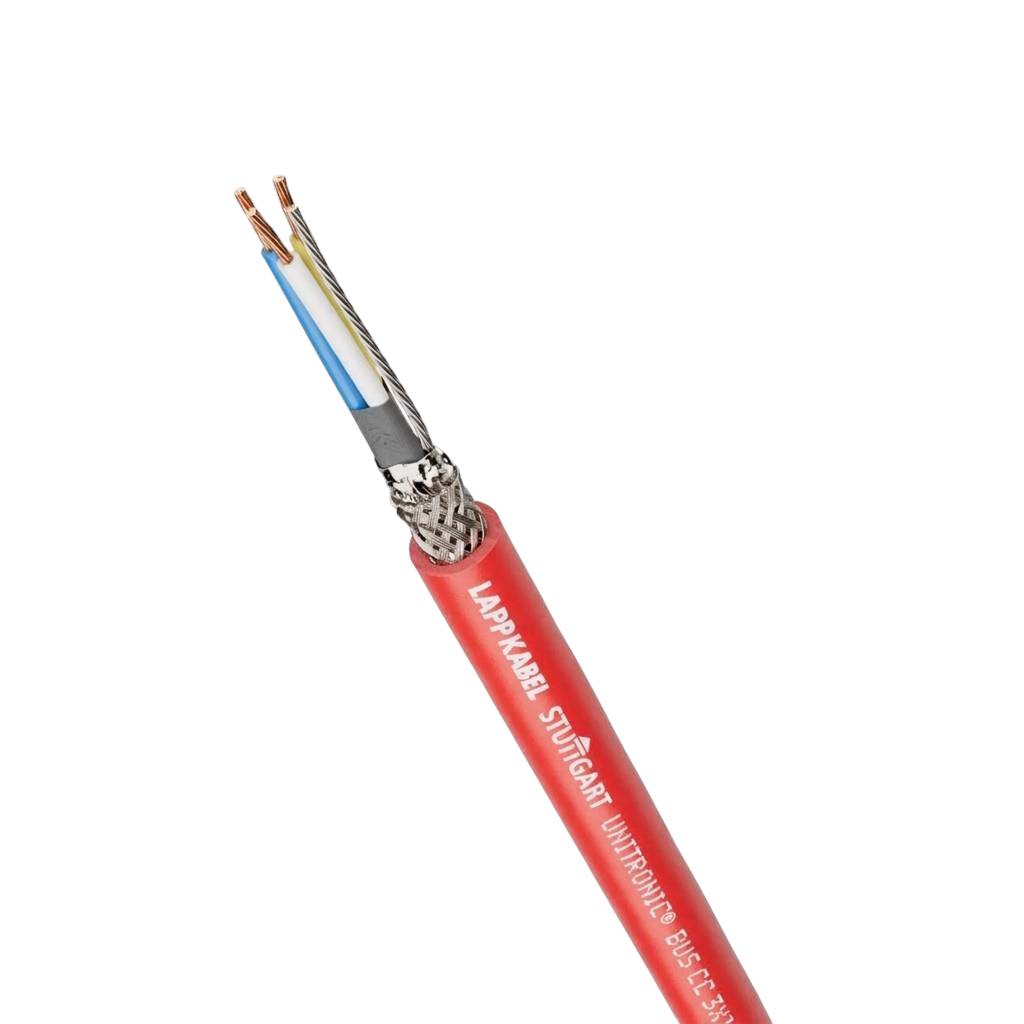
Industrial automation systems depend on reliable communication between controllers, sensors, actuators, and monitoring equipment. Unitronic BUS3 solutions are specifically designed to support fieldbus communication applications where accuracy and reliability are essential.
These products help facilitate efficient information exchange throughout industrial environments, contributing to improved productivity, process optimization, and operational stability.
For facilities seeking dependable fieldbus communication infrastructure, Unitronic BUS3 provides a proven solution.
Unitronic Device Net: Enabling Efficient Device Communication
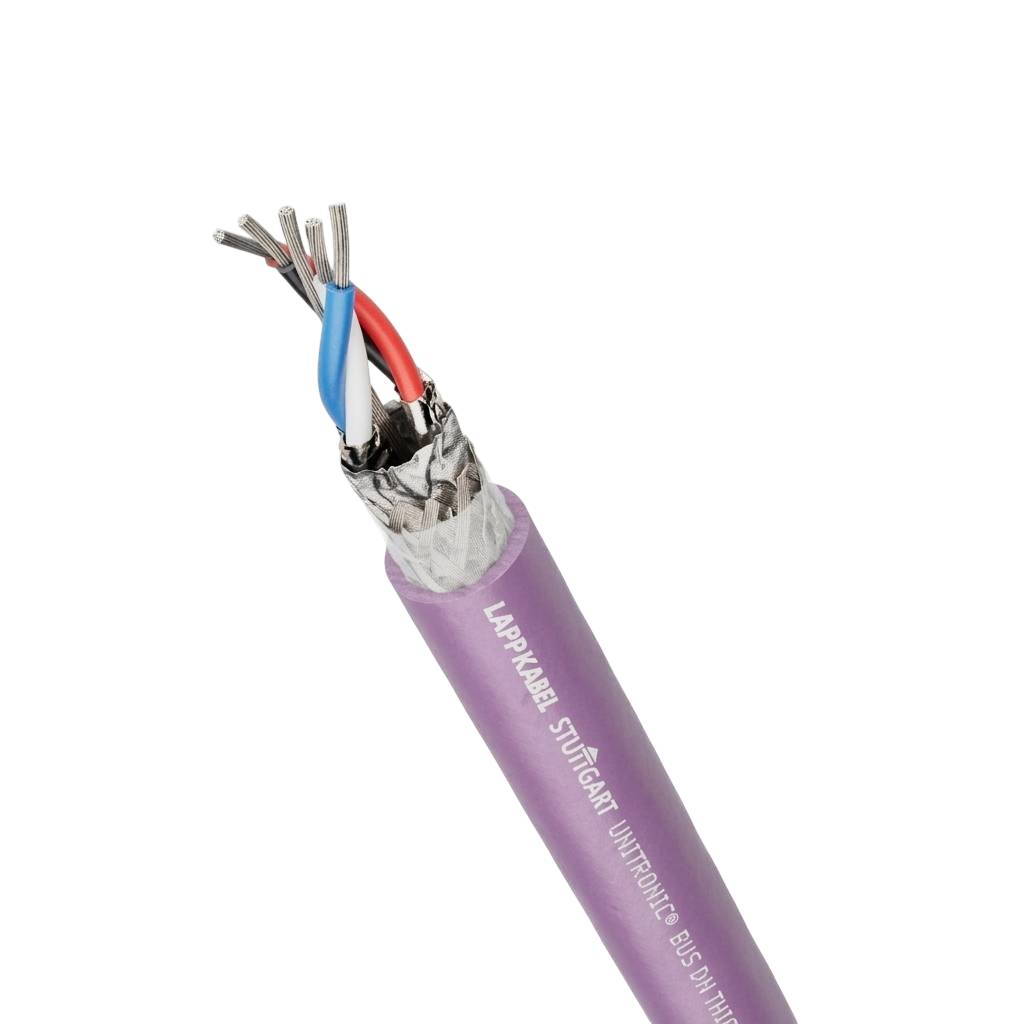
Modern industrial operations require seamless communication between various devices and control systems. Unitronic Device Net solutions support this communication by providing reliable pathways for data exchange throughout automation networks.
These products are commonly used in manufacturing environments where machine coordination, process control, and operational monitoring depend on continuous communication. Their dependable performance helps organizations maintain efficient production processes while minimizing communication-related disruptions.
Unitronic Sensor LifYY: Precision Connectivity for Sensors and Actuators

Accurate communication between sensors, actuators, and control systems is essential for modern automation environments. Unitronic Sensor LifYY products are specifically engineered to support these critical connections.
By ensuring reliable signal transmission, these solutions help maintain process accuracy, equipment performance, and operational efficiency. Their durable construction makes them suitable for industrial applications where long-term reliability is a key requirement.
Applications of Industrial Network Cables
Industrial and commercial communication infrastructure supports a wide variety of applications.
Manufacturing Facilities
Modern factories rely on communication networks to coordinate machinery, monitor production processes, collect operational data, and support automation initiatives.
Building Automation
Smart buildings use communication networks to manage lighting systems, HVAC controls, energy management platforms, security systems, and access control technologies.
Data Centers
Data centers require high-performance communication infrastructure capable of handling large volumes of information while maintaining exceptional reliability.
Transportation Infrastructure
Transportation networks utilize communication systems to support monitoring, control, scheduling, safety, and operational management functions.
Energy and Utilities
Power generation facilities and utility networks depend on reliable communication infrastructure to optimize operations and maintain system performance.
Key Factors That Influence Network Performance
Successful communication networks depend on more than simply selecting quality hardware. Several factors contribute to long-term performance, reliability, and scalability.
Installation Quality
Proper installation practices help ensure consistent communication performance and minimize the risk of future connectivity issues.
Environmental Conditions
Temperature fluctuations, moisture, vibration, dust, and exposure to industrial contaminants can influence communication reliability if products are not selected appropriately.
Infrastructure Design
Well-planned network architecture supports efficient data transmission, reduces bottlenecks, and improves overall operational efficiency.
Product Quality
High-quality communication solutions typically offer improved durability, better signal integrity, and reduced maintenance requirements over their operational lifespan.
Organizations that evaluate these factors during project planning are more likely to achieve reliable and cost-effective communication infrastructure.
How to Select the Right Networking Solution
Selecting the appropriate communication infrastructure requires evaluating multiple factors.
Organizations should consider:
Current bandwidth requirements
Future expansion plans
Installation environment
Transmission distances
Industry-specific requirements
Equipment compatibility
Reliability expectations
Careful planning during the selection process can help reduce future upgrade costs while ensuring long-term network performance.
Understanding Product Availability and Market Considerations
When planning networking projects, many buyers research ethernet cables price to estimate project budgets and compare available solutions. However, focusing solely on initial cost may not provide a complete picture of long-term value.
Similarly, evaluating network wire price should include considerations such as durability, performance, environmental suitability, and expected lifespan. Higher-quality products often deliver greater value over time through reduced maintenance requirements and improved reliability.
Businesses searching for best price networking and cables solutions should prioritize overall lifecycle value rather than simply selecting the lowest-cost option.
Where to Buy Genuine LAPP Networking Products
Organizations planning network upgrades, automation projects, or communication infrastructure installations often look for trusted suppliers capable of providing authentic products and reliable support.
Customers seeking to buy network cables should consider suppliers that offer genuine products, technical documentation, and access to established manufacturers.
Many professionals also prefer purchasing ethernet cables online because it allows them to compare specifications, review product details, and identify suitable solutions efficiently.
For businesses looking to buy lan cables india, accessing authentic products from a trusted source can significantly improve project outcomes and long-term reliability.
Eleczo has become a preferred destination for engineers, contractors, system integrators, industrial buyers, and businesses seeking genuine LAPP communication products. Through Eleczo, customers can explore Etherline, Unitronic LAN, Unitronic BUS3, Unitronic Device Net, and Unitronic Sensor LifYY solutions designed for industrial and commercial networking applications.
Top LAPP Industrial Networking & Communication Cables
Cable Type | Product | Application | Key Feature |
|---|---|---|---|
CAT 6 Ethernet | Industrial Automation | Flexible PUR Cable, 4 Pair, 8 Core | |
PROFINET Cable | Factory Networks | Industrial Ethernet, Flexible Design | |
DeviceNet Cable | Control Systems | Reliable Device Communication | |
CAT7 LAN Cable | High-Speed Networks | CAT7 Performance, EMI Shielding | |
Sensor Cable | Sensors & Actuators | 4 Core, Durable PVC Construction | |
DeviceNet Bus Cable | Fieldbus Networks | Flexible Industrial Communication | |
CAN Bus Cable | CAN Automation Systems | Stable Signal Transmission |
Why Professionals Choose Eleczo
Successful networking projects depend not only on selecting quality products but also on working with knowledgeable suppliers. Eleczo provides access to authentic LAPP solutions that support diverse communication requirements across multiple industries.
Customers can review technical specifications, evaluate product options, and identify networking solutions that align with project objectives. Whether supporting industrial automation systems, structured communication networks, building infrastructure, or enterprise environments, Eleczo helps simplify the procurement process.
Organizations seeking ethernet cables and industrial communication solutions can benefit from access to reliable products backed by recognized manufacturers.
The Future of Networking Infrastructure
The future of communication infrastructure will be shaped by emerging technologies such as Industrial IoT, artificial intelligence, predictive maintenance, edge computing, autonomous systems, and smart manufacturing.
As data volumes continue to grow and communication requirements become more sophisticated, organizations will increasingly depend on robust networking infrastructure capable of supporting advanced applications.
Investing in high-quality network solutions today helps prepare businesses for future technological developments while ensuring reliable performance in the present.
Conclusion
Reliable communication infrastructure is one of the most important investments any organization can make. From industrial automation systems and manufacturing facilities to commercial buildings and enterprise networks, dependable connectivity enables efficient operations and supports long-term growth.
LAPP's comprehensive networking portfolio—including Etherline, Unitronic LAN, Unitronic BUS3, Unitronic Device Net, and Unitronic Sensor LifYY—provides trusted solutions for a wide range of industrial and commercial applications. These products are recognized worldwide for their quality, durability, and performance.
For organizations seeking authentic networking products, professional guidance, and dependable communication solutions, Eleczo offers access to industry-leading LAPP technologies that help build reliable and future-ready connectivity infrastructures.
Frequently Asked Questions
What is the difference between a network cable and an Ethernet cable?
An Ethernet cable is a specific type of communication cable designed to support Ethernet networking standards. In many applications, the terms are often used interchangeably because Ethernet remains the most widely adopted wired networking technology.
Why are industrial communication solutions different from standard office networking products?
Industrial communication solutions are designed to operate reliably in demanding environments that may involve vibration, temperature fluctuations, moisture, electromagnetic interference, and mechanical stress.
How does communication infrastructure affect network performance?
Reliable communication infrastructure helps maintain signal quality, minimize transmission errors, reduce downtime, and support efficient data exchange across connected systems.
Which industries benefit from industrial networking solutions?
Industrial networking solutions are commonly used in manufacturing, transportation, energy, utilities, automation, infrastructure development, healthcare, and commercial facilities where dependable communication is essential.
How can organizations prepare their communication infrastructure for future growth?
Organizations can support future expansion by selecting scalable networking solutions, planning for increasing bandwidth demands, and investing in high-quality communication infrastructure designed for long-term performance.